

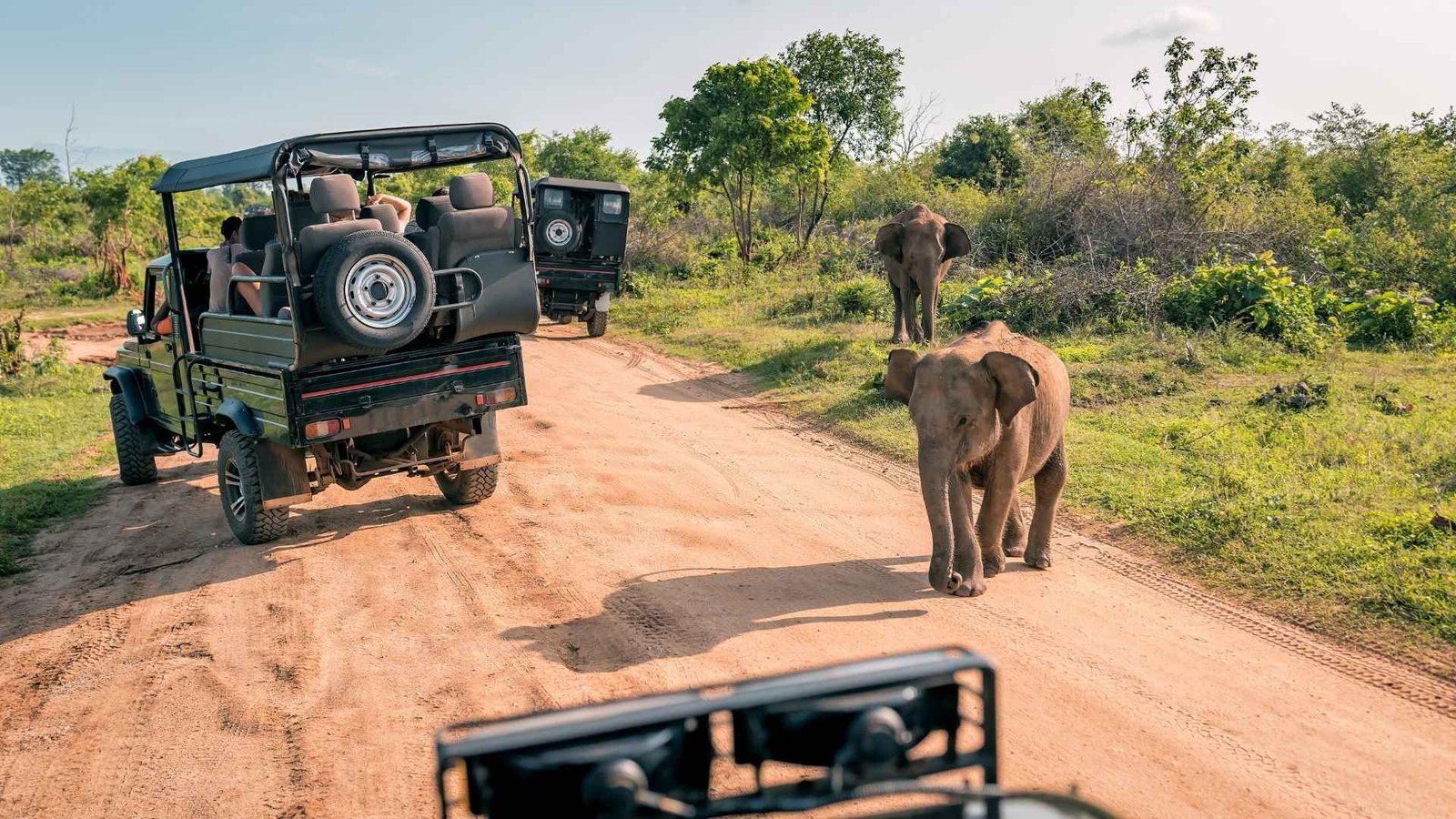
Located on the southeast coast of Sri Lanka, Yala National Park is the island’s premier wildlife sanctuary and one of the finest destinations in the world to observe leopards in their natural habitat. Covering 978 square kilometers across scrub jungle, freshwater lagoons, rocky granite outcrops, and coastal beaches, Yala supports a remarkable concentration of Asian elephants, sloth bears, mugger crocodiles, and diverse birdlife. Planning a successful safari requires understanding how park blocks operate, choosing between morning and afternoon drives, and working with an experienced local tracker. This guide provides practical insights to help you get the most out of your Yala adventure.
Understanding Yala’s Park Blocks
Yala National Park is divided into five distinct geographical blocks, but only two are open to commercial wildlife tourism:
- Block 1 (Ruhuna National Park): This is the most famous and biodiverse sector of Yala. It contains the highest concentration of Sri Lankan leopards (Panthera pardus kotiya), as well as scenic coastal lagoons, rocky boulder formations (such as Patanangala), and open grassland plains where wild elephants graze. Because of its wildlife density, Block 1 attracts the majority of safari vehicles.
- Block 5: Located further inland along the Manik River basin, Block 5 features forested river corridors and quieter trails. It is less crowded than Block 1 and offers good sightings of elephants, hornbills, and deer, though leopard encounters are less frequent due to denser vegetation.
- Blocks 2, 3, and 4: These sectors are strictly protected wilderness zones reserved for scientific research and habitat preservation, closed to general public tourism.
Best Time of Year to Visit Yala
Wildlife spotting in Yala is heavily influenced by seasonal rainfall patterns in the southeastern dry zone:
February to June (Peak Wildlife Viewing)
This is the dry season in southeastern Sri Lanka. As smaller forest pools dry up, wildlife congregates around the remaining perennial waterholes, riverbeds, and large lagoons. Grasses become shorter and thinner, improving visibility through the scrub. This is by far the best time of year to photograph leopards basking on sun-warmed granite boulders or walking along dusty jeep tracks.
July to August (Active Elephants and Warm Days)
The dry conditions continue, making wildlife viewing very rewarding. During these months, wild elephants often gather around the deeper reservoirs in search of water and fresh grass.
September to Mid-October (Annual Park Maintenance Closure)
During the peak of the dry season, the Department of Wildlife Conservation (DWC) traditionally closes Block 1 for approximately one month. This closure allows natural water sources to replenish and provides the animals with uninterrupted rest. During this period, safaris are redirected to Block 5, nearby Lunugamvehera National Park, or Bundala National Park.
November to January (Lush Greenery and Migratory Birds)
The northeast monsoon brings welcome rainfall, transforming the dry scrub into a vibrant green landscape. While dense foliage makes spotting leopards slightly more challenging, this season is magnificent for birdwatchers, as thousands of migratory shorebirds and waterfowl arrive from northern Asia and Europe to feed in Yala’s lagoons.
| Season | Months | Wildlife Conditions | Recommended For |
|---|---|---|---|
| Peak Dry Season | February – June | High animal density around shrinking waterholes; thin foliage | Leopard photography, sloth bears, clear sightings |
| Late Dry Season | July – August | Active elephant herds; warm and dusty conditions | General wildlife, elephants, sunny safari days |
| Annual Block 1 Rest | September – Mid-October | Block 1 closed; safaris operate in Block 5 or Lunugamvehera | Off-the-beaten-path safaris, smaller crowds |
| Monsoon Season | November – January | Lush green vegetation; abundant water; cooler temperatures | Migratory birdwatching, scenic photography |
Morning vs. Afternoon Safaris: Which Is Better?
A standard game drive lasts between 3.5 and 4 hours. You can choose a morning safari, an afternoon safari, or a full-day experience:
Morning Safari (6:00 AM – 10:00 AM)
Morning safaris enter the park gate right as the sun rises. Predators that hunted through the night are often still on the move before temperatures climb. Temperatures are pleasantly cool, and the morning bird chorus is at its peak. You will need to leave your lodge near Tissamaharama or Yala around 5:15 AM to reach the Palatupana gate for check-in.
Afternoon Safari (2:30 PM – 6:00 PM)
Afternoon game drives begin as the midday heat starts to soften. Between 4:00 PM and 6:00 PM, animals emerge from shady thickets to drink at watering holes. The golden evening light across the coastal lagoons and red earth tracks is exceptional for photography. Leopards frequently climb onto granite outcrops in the late afternoon to catch the cooling breeze.
What Animals Will You See in Yala?
While the Sri Lankan leopard is the headliner, Yala is home to 44 mammal species and 215 bird species:
- Sri Lankan Leopard: Yala Block 1 has one of the highest recorded leopard population densities on earth. Encounters are never guaranteed, but patient visitors on multiple drives have an excellent chance of spotting them.
- Asian Elephant: Solitary bulls and small family herds feed among the grasslands and bathe in lagoons.
- Sloth Bear: Shy and nocturnal, sloth bears are most commonly spotted between May and July when palu and weera trees drop ripe sweet fruit.
- Spotted Deer & Sambar: Large herds of spotted deer graze on the coastal plains, serving as the primary prey for leopards.
- Crocodiles: Mugger crocodiles bask on the muddy banks of waterholes, while saltwater crocodiles inhabit the coastal estuaries.
- Birdlife: Look out for crested serpent eagles, painted storks, spoonbills, black-necked storks, and bright green bee-eaters perched on roadside branches.
Safari Etiquette and Best Practices
- Hire a Quality 4×4 Jeep: Always book a customized, elevated open-top 4×4 safari vehicle equipped with tiered seating and an experienced driver-tracker. Economy vans or standard cars are not permitted inside national parks.
- Stay Inside the Vehicle: Exiting the vehicle inside the park is strictly illegal and dangerous, except at designated ocean rest areas like Patanangala beach.
- Keep Noise to a Minimum: Loud talking or shouting frightens wildlife and disrupts other safari vehicles. Keep your voice at a low whisper when an animal is spotted.
- No Plastic Litter or Animal Feeding: Yala strictly enforces a zero-litter policy. Never throw snack wrappers or water bottles from the jeep, and never attempt to feed wild animals.
- Tip Your Driver and Tracker: A skilled driver-guide works hard to position your vehicle safely and navigate difficult sandy tracks. A modest gratuity at the end of the safari is customary and appreciated.
Planning Your Yala Safari with Tharu Tours Lanka
When you book a wildlife tour with Tharu Tours Lanka, we manage the entire logistical chain. We book verified, modern 4×4 safari jeeps with skilled drivers who know Yala’s trail network intimately, arrange park entry permits in advance to avoid long gate queues, and coordinate comfortable hotel stays in nearby Tissamaharama or Yala. Our dedicated private vehicle transports you smoothly between destinations across Sri Lanka, leaving you free to enjoy the safari experience.
