

The railway journey through Sri Lanka’s central highlands is widely regarded as one of the most scenic train rides in the world. Originally engineered in the late nineteenth century to transport Ceylon tea from misty mountain plantations down to the port of Colombo, the Main Line today carries travelers through emerald valleys, dramatic pine forests, high-altitude passes, and historic stone viaducts. However, booking train tickets, selecting the right carriage class, and coordinating luggage transfers can be confusing for first-time visitors. This practical guide explains the key route segments, ticket classes, seating sides, and logistical advice to help you plan your journey seamlessly.
The Main Route: Colombo to Kandy, Nanu Oya, and Badulla
Sri Lanka’s Main Line railway stretches from Colombo Fort across the lowlands, climbs into the cultural capital of Kandy, and ascends through the high-altitude tea districts of Hatton, Nanu Oya (the station for Nuwara Eliya), Haputale, and Ella, before terminating in the regional valley town of Badulla. The entire 290-kilometer journey takes around 9 to 10 hours on a direct train, which is too long for most travelers to complete in a single sitting.
Most travelers choose to break the journey into shorter, scenic segments that fit naturally into a multi-day private tour:
1. Kandy to Nanu Oya (Approx. 3.5 to 4 Hours)
This segment marks the dramatic climb into the high-grown tea district. Leaving Kandy at an elevation of 500 meters, the train climbs along the steep Kadugannawa ridges and through eucalyptus forests before reaching Nanu Oya at 1,600 meters. You will see terraced tea estates, misty mountain villages, and dramatic valley drops along the way.
2. Nanu Oya to Ella (Approx. 2.5 to 3 Hours)
This is widely considered the most spectacular stretch of railway in Sri Lanka. The train crosses Pattipola station (the highest railway summit in Sri Lanka at 1,898 meters above sea level) before entering a summit tunnel and emerging into the cloud forests of the Horton Plains plateau. As the train winds down toward Idalgashinna and Haputale, you are treated to breathtaking drops overlooking the southern plains. The route continues through stone arches and eucalyptus woods before arriving at the relaxed hill station of Ella.
3. Ella to Demodara (Approx. 25 Minutes)
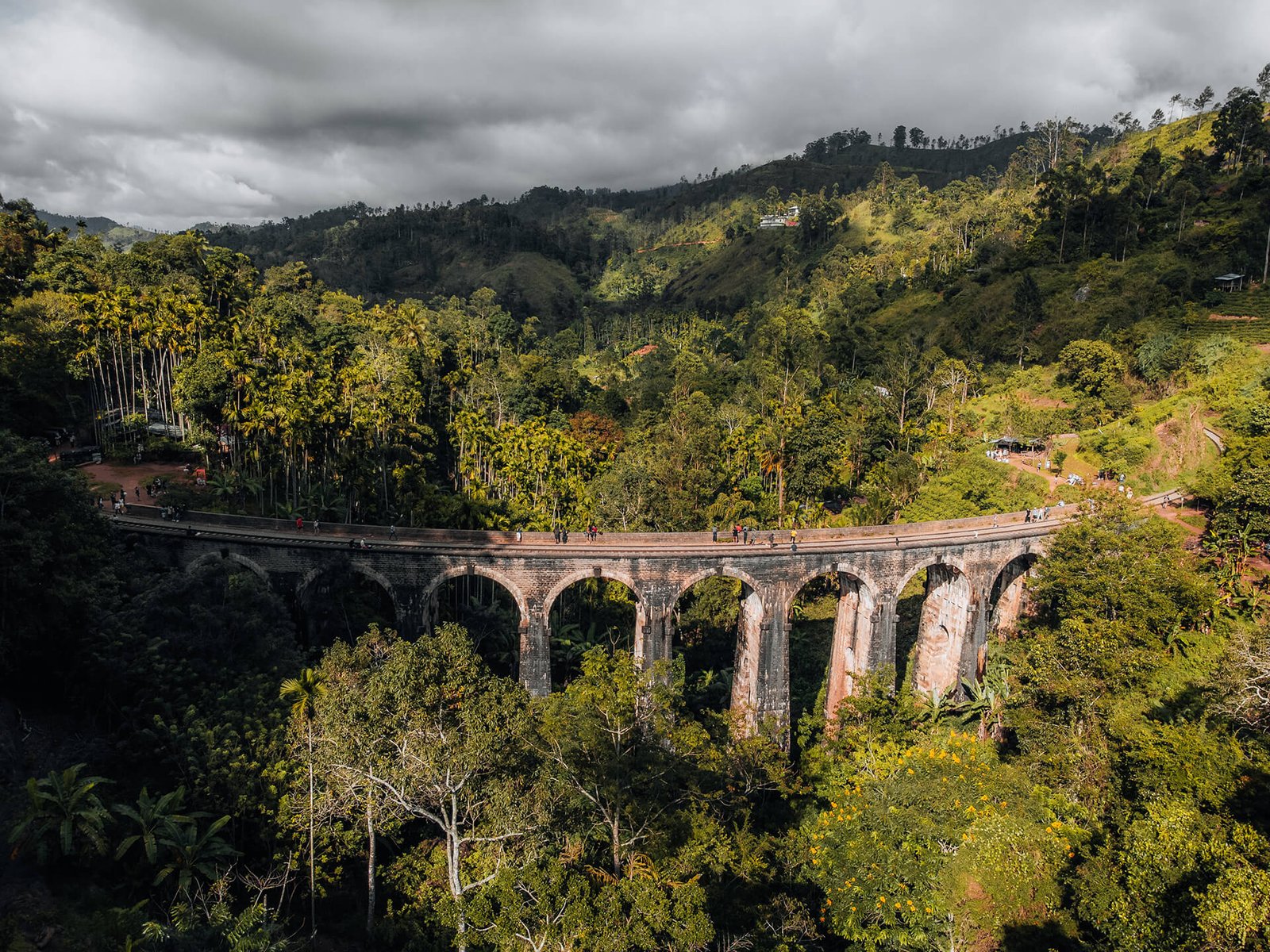
This short extension carries the train across the famous Nine Arch Bridge and through the unique Demodara Loop, an engineering marvel where the track curls around a hill and passes directly beneath itself inside a spiral tunnel. If your schedule allows, taking the train across this section is a wonderful morning experience.
| Route Segment | Distance | Approx. Train Time | Primary Scenic Highlights |
|---|---|---|---|
| Kandy to Nanu Oya | 65 km | 3.5 – 4 hours | St. Clair & Devon Falls, estate bungalows, steep terraced hills |
| Nanu Oya to Ella | 64 km | 2.5 – 3 hours | Pattipola summit (1,898m), Idalgashinna pass, southern plains views |
| Ella to Demodara | 8 km | 20 – 25 minutes | Nine Arch Bridge viaduct, Demodara spiral railway loop |
Comparing Carriage Classes: Which Should You Book?
Sri Lanka Railways operates different train configurations along the Main Line. Choosing the right carriage class depends on your travel style, budget, and photography preferences:
First Class Air-Conditioned Reserved
First-class carriages feature comfortable reclining seats, clean carpeting, and sealed air-conditioned windows. They provide a cool, quiet refuge on warm afternoons. However, because the windows are sealed and tinted to keep the cabin cool, this class is less ideal for travelers who want to take clear photos or feel the fresh mountain breeze.
Second Class Reserved (Recommended for Most Travelers)
Second-class reserved seating provides the best balance of comfort and scenic experience. Every passenger has an assigned seat number, meaning the carriage never becomes overcrowded. Wide windows can be pushed open for unobstructed landscape photography, and ceiling fans keep the cabin well ventilated as the train moves through cool mountain air. The doors at the ends of the carriage are open during travel, allowing you to step into the doorway vestibule for classic photos overlooking the tracks.
Third Class Reserved
Third-class reserved carriages also guarantee an individual seat, but feature bench-style seating (three passengers per side rather than two) and narrower legroom. They are clean and practical, offering open windows and a lively, authentic atmosphere. If second-class reserved seats are sold out on your dates, third-class reserved is a reliable backup option.
Unreserved Carriages (Second and Third Class)
Unreserved tickets cannot be purchased in advance; they are sold on the platform on the day of travel. They do not guarantee a seat. During peak travel seasons and weekends, unreserved carriages are intensely crowded, and passengers often stand for three to four hours in packed aisles. We do not recommend unreserved travel for international visitors carrying luggage or traveling with family.
Which Side of the Train Should You Sit On?
Because the railway winds continuously around ridges, both sides of the train offer wonderful scenery. However, experienced travelers follow these general guidelines:
- Kandy to Nanu Oya: Sit on the right-hand side of the train for dramatic views of cascading waterfalls and terraced tea hills.
- Nanu Oya to Ella: Sit on the right-hand side initially through the high mountain passes, and look to the left-hand side as the train passes Haputale and Idalgashinna for sweeping vistas across the southern lowlands.
How and When to Book Train Tickets
Under Sri Lanka Railways regulations, advance reserved tickets open exactly 30 days before travel at 10:00 AM local time. Because the Kandy-Nanu Oya-Ella route is internationally renowned, reserved seats often sell out within minutes of release during peak seasons (December to April and July to August).
You can reserve tickets through the official Sri Lanka Railways online portal, but international payment gateways occasionally encounter processing errors. When you book a multi-day private tour with us, our Colombo operations team secures your reserved train seats the moment the 30-day booking window opens, ensuring you have confirmed seats in your preferred carriage class without stress.
Practical Tips for a Great Train Ride
- Bring Light Snacks and Water: Local vendors walk through the carriages selling spicy fried vadai, roasted peanuts, and seasonal fruits, but having your own bottled water and fresh snacks ensures you stay refreshed.
- Carry a Light Jacket: As the train climbs above 1,500 meters near Nuwara Eliya and Pattipola, the mountain air becomes surprisingly cool and misty, especially if you are sitting by an open window.
- Safety in Doorways: Hanging out of open train doors has become a popular photo trend, but safety must come first. Always hold firmly onto the interior grab handles, watch for stone tunnel entrances and low-hanging branches, and never stand on the exterior steps while the train is moving at speed.
- Allow for Delays: Mountain trains in Sri Lanka frequently run 30 to 60 minutes behind schedule due to single-track crossings and weather. Keep your afternoon schedule flexible and treat the journey as an experience in itself.
Connecting the Train with Your Tour Itinerary
The highland train integrates naturally into our signature itineraries. For example, in our 7-Day Tea Trail Tour, you travel from Kandy through the tea estates to Nuwara Eliya by private car, visit working tea factories, and then board the train from Nanu Oya down to Ella. In our 14-Day Classic Loop, the train connects the mountain tea district with the wildlife plains of Yala, giving you a diverse cross-section of Sri Lanka’s geography over two full weeks.
